Custom Heat Transfers for Shirts: DTF vs. Iron-On vs. Screen Print
Custom heat transfers for shirts usually mean one of three things: DTF, heat transfer vinyl (HTV), or screen print transfer. Each option is applied with heat and pressure, but they are not the same in color quality, fabric compatibility, feel, cost, or turnaround time.
If you are ordering custom heat transfers for t shirts, the best choice depends on your design, shirt fabric, order size, and how fast you need the transfers. This guide compares DTF, iron-on, and screen print transfers honestly so you can choose the right option for your project.
For most full-color custom apparel, DTF is the most flexible option because it supports detailed artwork, works on many fabrics, and does not require bulk minimums. But there are still cases where iron-on vinyl or screen print transfers make more sense.
What Counts as a “Custom Heat Transfer” for Shirts?
A custom heat transfer is a design printed or cut separately from the garment, then applied to fabric using heat and pressure. Instead of printing directly onto the shirt, you press the finished transfer onto the garment with a heat press or, in some cases, a household iron.
The term “custom transfers for shirts” is broad. It can describe several different transfer types, including DTF transfers, iron-on vinyl transfers, and screen print transfers.
DTF, or direct-to-film, uses printed artwork on PET film with adhesive powder. The transfer is pressed onto the shirt, then peeled after cooling or according to the recommended instructions. DTF is popular because it handles full-color designs, gradients, small text, and detailed artwork.
Heat transfer vinyl (HTV), often called iron-on vinyl, is cut from colored vinyl sheets. It works well for simple names, numbers, logos, and one- or two-color designs.
A screen print transfer is made with screen printing ink that is printed onto transfer paper instead of directly onto a garment. It can be cost-effective for high-volume orders with simple color counts.
All three are “heat transfers,” but they solve different problems.
DTF vs. Iron-On vs. Screen Print: Which Custom Heat Transfer Is Best?
Before ordering custom heat transfers for shirts, compare the three main options side by side. The best transfer is not always the cheapest one. It is the one that fits your design, order size, fabric, and production timeline.
| Factor | DTF Transfer | Iron-On / HTV | Screen Print Transfer |
|---|---|---|---|
| Best for | Full-color designs, photo prints, gradients, small runs | Simple text, names, numbers, and basic logos | Bulk orders with 1–3 color designs |
| Fabric compatibility | Cotton, polyester, and blends | Mostly cotton/poly blends; depends on vinyl type | Cotton and cotton blends |
| Minimum order | No minimum order | Usually no minimum for small vinyl pieces | Often better for bulk quantities |
| Feel on garment | Soft, flexible, detailed | Can feel thicker on large designs | Soft screen-print style feel |
| Color limits | Unlimited colors and photo-quality detail | Limited to available vinyl colors and layers | Usually limited by number of ink colors |
| Turnaround | Same-day production may be available | Varies by supplier | Often longer due to setup |
| Typical cost driver | Print size | Number of vinyl layers and colors | Number of screens, colors, and quantity |
If you need custom iron on transfers for shirts with only one name or number, HTV may be enough. If you need custom dtf transfers for t shirts with full-color artwork, gradients, logos, mascots, or product designs, DTF is usually the better fit.
Screen print transfers are strongest when the artwork is simple and the quantity is high. But for many small businesses, teams, events, and creators, DTF offers a better balance of quality, flexibility, and speed.
You can browse our full DTF Transfers collection to compare transfer options.
When DTF Is the Right Choice
DTF is the right choice when your design has full color, small details, gradients, shadows, or photo-style artwork. It is also a smart option when you want the same design to work across different garments, including cotton shirts, polyester shirts, hoodies, blends, and many light or dark fabrics.
The biggest advantage of DTF is flexibility. You do not need to simplify your artwork into one or two colors. You do not need to order hundreds of pieces. You do not need separate vinyl layers for every color. You can order one design, multiple sizes, or a full gang sheet depending on your project.
- Small clothing brands testing new designs
- Etsy and Shopify sellers
- Family reunion shirts
- Team shirts and event apparel
- Full-color logos
- Detailed artwork
- Small-batch merch
- Dark shirts and mixed fabric orders
With no minimum order, you can print one transfer for a test shirt or order enough for a full product drop. With same-day production, DTF is also useful when you need transfers quickly for a customer order, event, or last-minute restock.
Ready to go with DTF?
Order DTF Transfers by Size and choose the exact dimensions for your design.
Order DTF Transfers by SizeWhen Iron-On / HTV Makes More Sense
Iron-on vinyl, also called HTV, still has a place. It can be a good choice when your design is very simple, uses only one or two colors, and does not need fine detail or photographic color.
Custom iron on transfers for t shirts are common for names, jersey numbers, basic text, simple logos, and small personalization jobs. For example, if you only need a white name on the back of a black shirt, HTV can be simple and affordable.
Custom vinyl transfers for t shirts can also work well if you are making one shirt at home and only have a household iron. Some HTV products are designed for home application, while professional DTF transfers usually perform best with a heat press.
However, HTV has limits. Large vinyl designs can feel heavy or plasticky. Multi-color vinyl requires layering, which takes more time and can create a thicker finish. Gradients, shadows, and photo-style artwork are not a natural fit for vinyl.
Choose HTV when the design is simple. Choose DTF when the design needs color, detail, flexibility, and a more professional finish.
When Screen Print Transfers Win
Screen print transfers are strongest for large-volume orders with simple artwork. If you need 200 or more shirts with a one- or two-color logo, screen print transfers can offer a soft feel and competitive bulk pricing.
This method works best when the design does not change, the color count is low, and the order quantity is high enough to justify setup. For example, a company logo printed in one color on hundreds of cotton shirts may be a good match for screen print transfers.
But screen print transfers are less flexible for small orders, full-color designs, and frequent design changes. If you need ten shirts today, a full-color logo, or several different designs, DTF is usually faster and easier.
For most small business, team, event, and creator orders, DTF’s no-minimum model is more practical than a traditional bulk screen-print setup.
How to Order Custom Heat Transfers for Your Shirts
Ordering custom heat transfers for shirts is easier when you know your design, garment, and quantity before you start. Use this process to choose the right transfer and avoid common ordering mistakes.
Choose the right transfer type
Start with the comparison above. If your design is simple text or a one-color name, iron-on vinyl may work. If your design is full-color, detailed, or going on multiple fabric types, DTF is usually the better option. If your order is very large and uses only a few colors, screen print transfers may be worth considering.
Prepare your design file
For the best results, use a high-resolution file. A transparent-background PNG at 300 DPI is one of the most common formats for DTF orders. PDF, SVG, and AI files may also work depending on the artwork.
Avoid uploading blurry screenshots, low-resolution images, or artwork with a white box behind the design unless that box is supposed to print.
Pick your transfer size
If you are ordering one design, choose DTF Transfers by Size and select the exact size you need. This is ideal for front chest prints, full-back designs, sleeve prints, and individual logos.
Use a gang sheet for multiple designs
If you have several designs, names, sizes, or logo placements, a gang sheet is often more efficient. A gang sheet lets you fit multiple designs onto one larger sheet, then cut them apart before pressing.

Confirm your garment fabric
DTF works well on many common apparel fabrics, including cotton, polyester, and blends. It can also be useful for hoodies, performance shirts, and other apparel types when pressed correctly.
Press with the recommended settings
For many DTF shirt applications, a standard starting point is 300°F, 10–15 seconds, medium pressure, and cold peel. Always follow the instructions included with your transfer because settings can vary by film, adhesive, fabric, and heat press.
After peeling, many decorators do a short second press with parchment or finishing paper to improve the feel and durability.

Bulk and Business Orders: Wholesale, Teams, and Events
Custom heat transfers for t shirts wholesale orders do not always need a slow quote process. With DTF, you can order one transfer, ten transfers, or a full batch for a team, event, or product line.
This is helpful for small businesses because you can test designs before committing to inventory. Instead of ordering hundreds of finished shirts upfront, you can order transfers as needed and press them onto blank garments when customers buy.
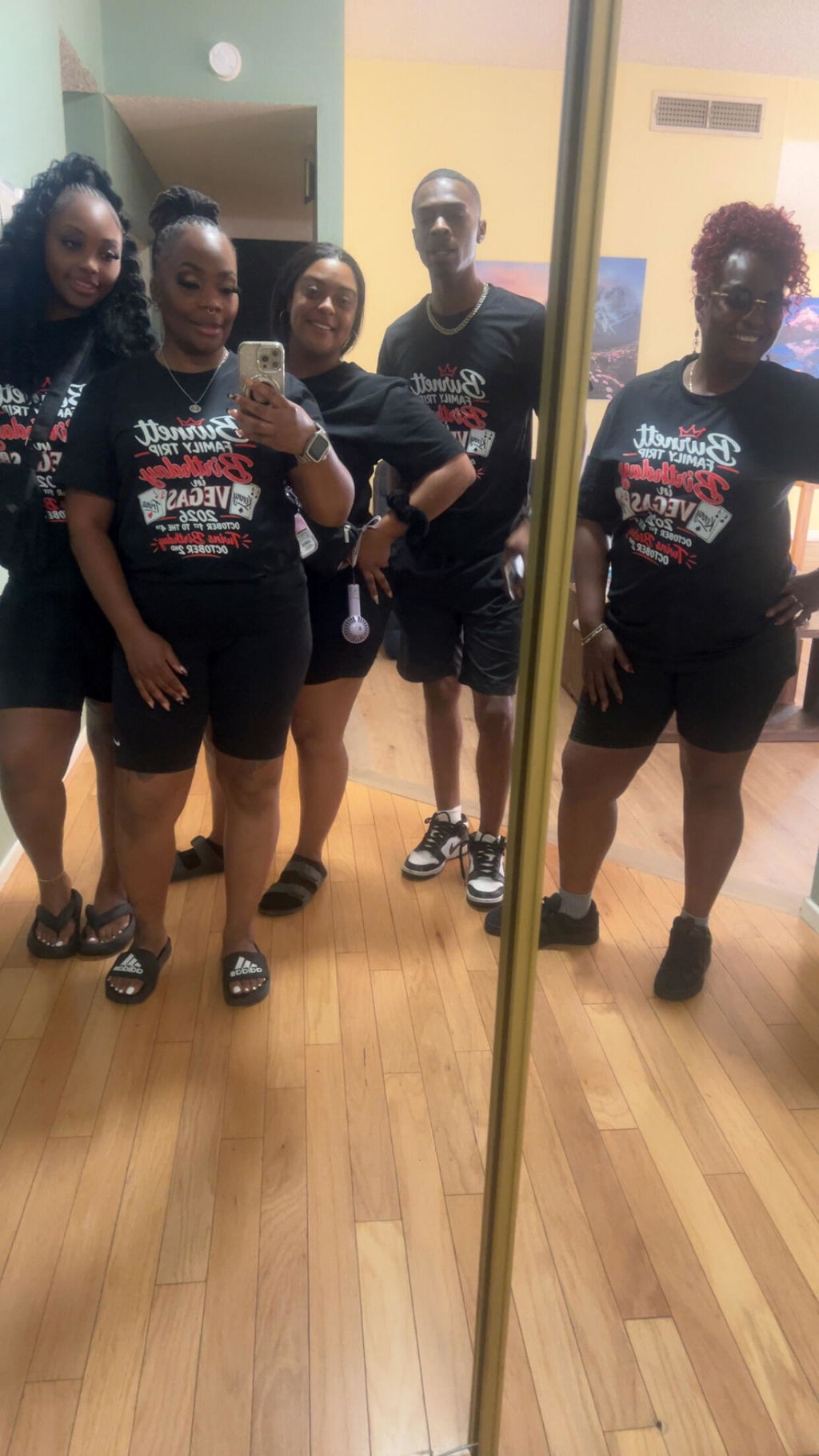
DTF is also useful for team shirts, school events, staff apparel, local businesses, and family reunions. If you are making custom t shirt transfers for family reunion shirts, you can use one main design, add names or numbers, and organize everything on a gang sheet.
Printing for a team or event?
Build a DTF gang sheet to fit multiple designs and sizes onto one efficient sheet.
Build a DTF Gang SheetIf you are scaling a business, read more about bulk DTF transfers.
Why Many Shirt Projects End Up Choosing DTF
DTF is not the only heat transfer method, but it is the most flexible option for many modern apparel projects. It handles full-color designs better than vinyl, avoids the setup requirements of screen printing, and works well for both small and larger orders.
For creators and small businesses, this matters. You can launch new designs without holding large inventory. You can print one shirt for a customer or organize a larger batch for an event. You can use detailed artwork without reducing it to a few spot colors.
DTF also makes ordering easier. Instead of asking whether your design has too many colors or whether your quantity is high enough for a bulk setup, you can focus on size, placement, fabric, and pressing instructions.
Whatever the project — one shirt or a hundred — order DTF transfers by size or start a gang sheet and have your transfers shipped fast.
FAQ: Custom Heat Transfers for Shirts
What is the difference between a custom heat transfer and DTF?
A custom heat transfer is any design that is applied to a shirt using heat and pressure. DTF is one specific type of custom heat transfer. It uses printed film and adhesive powder to create a ready-to-press transfer that can be applied to cotton, polyester, and blends.
Can custom heat transfers go on dark shirts?
Yes, many custom heat transfers can go on dark shirts, but the result depends on the transfer type. DTF is a strong choice for dark shirts because it can print full-color designs with a white underbase, helping colors stay bright on black, navy, red, and other dark garments.
Do I need a heat press, or will a household iron work?
A heat press is strongly recommended for DTF transfers because it provides consistent temperature, pressure, and timing. A household iron may work for some iron-on vinyl products, but it usually does not provide the same even pressure or professional finish as a heat press.
Is there a minimum order for custom transfers?
DTF Print Depot offers no minimum order on DTF transfers, so you can order one transfer or a larger batch. This makes DTF a practical option for sample shirts, small businesses, team orders, and event apparel.
How long do DTF transfers last after washing?
DTF transfers can last through many washes when they are applied correctly and cared for properly. For best results, press with the recommended settings, wait before the first wash, wash garments inside out, use cold or warm water, and avoid high heat when drying.
Where can I buy custom iron-on transfers for t-shirts?
If you are searching for custom iron on transfers for t-shirts but want full-color artwork, no minimums, and fast production, DTF transfers are usually the better option. You can order DTF Transfers by Size or build a DTF gang sheet through DTF Print Depot.
Are DTF transfers good for small businesses?
Yes, DTF transfers are a strong option for small businesses because they allow you to test designs without ordering large quantities. You can order transfers as needed, press them onto blank garments, and avoid holding too much finished-shirt inventory.
What file type should I upload for DTF transfers?
A transparent-background PNG at 300 DPI is usually a good choice for DTF transfers. Clean PDF, SVG, or AI files may also work well. Avoid blurry screenshots, low-resolution images, and artwork with unwanted backgrounds.
Final Recommendation
Custom heat transfers for shirts come in different types, and each one has a place. Iron-on vinyl is useful for simple text and basic designs. Screen print transfers can be efficient for large bulk orders with limited colors. DTF is the best all-around choice for most full-color, small-batch, business, team, and event projects.
If your design has color, detail, or needs to work across different shirt fabrics, start with DTF.