The Ultimate DTF Printing Equipment Guide
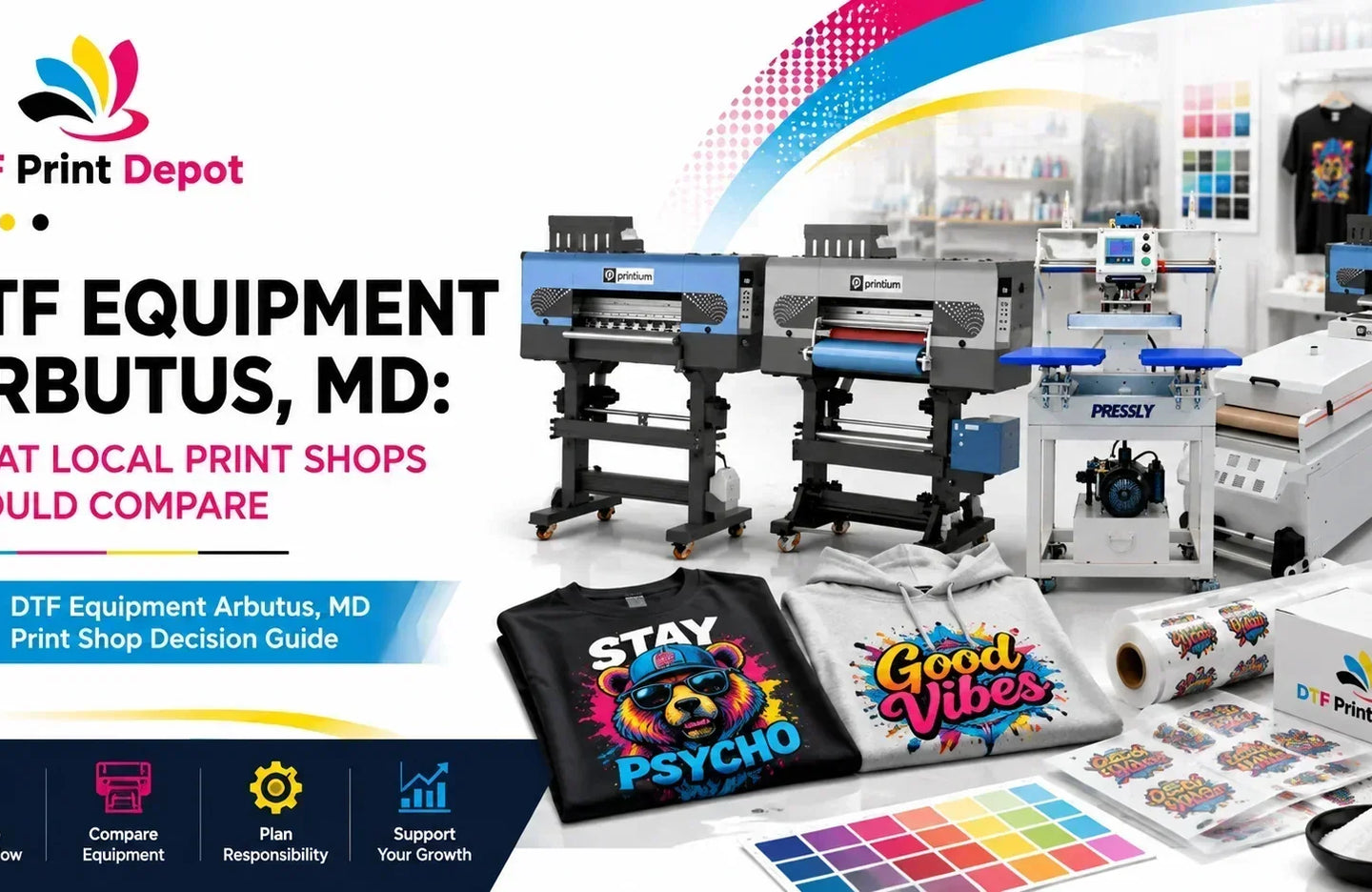
Building a successful custom apparel brand in 2026 requires the right machinery setup. Investing in high-performance hardware ensures your workshop maintains retail-ready quality standards. This comprehensive DTF Printing Equipment Guide breaks down the essential machinery needed for smooth, high-volume production. Choosing the proper components protects your business from costly workflow bottlenecks.
To understand the history of industrial textile dye processes and garment styling, explore the Wikipedia Textile Printing Page. Modern direct-to-film machinery offers significant cost advantages over traditional screen setups. Implementing automated systems allows small businesses to execute detailed full-color prints efficiently. Upgrading your shop floor structure is key to scaling your daily apparel output.
1. Industrial Wide-Format Digital Printers
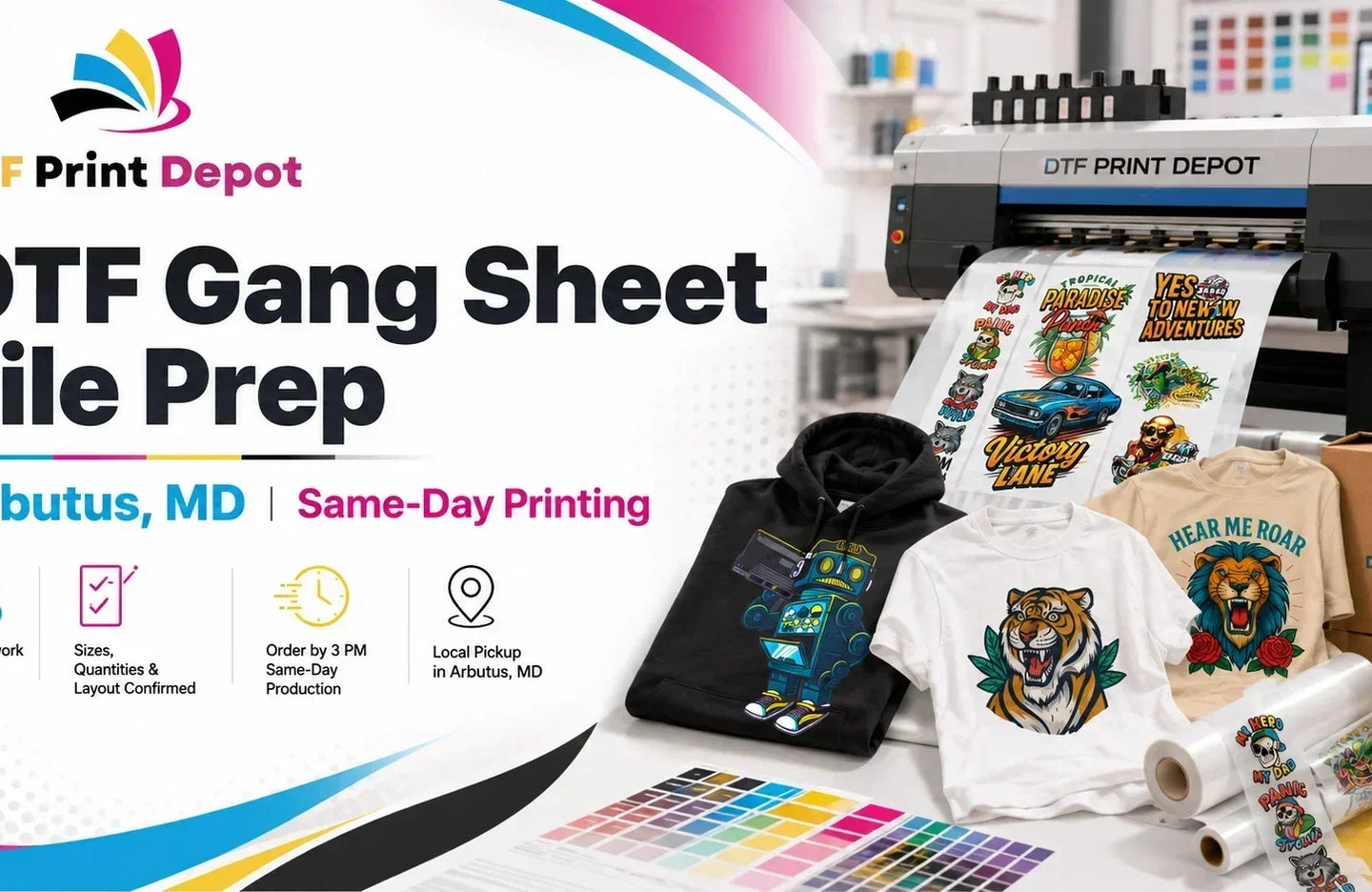
The core of your production workflow relies entirely on your primary digital ink delivery system. Professional print shops must avoid converted desktop setups that lack proper internal agitation. Commercial systems utilize advanced dual printhead configurations to handle white ink and CMYK pigments simultaneously. These dedicated units feature automated circulation loops that prevent heavy white titanium dioxide from clogging the lines.
Modern wide-format printers are engineered to handle continuous roll-to-roll media feeding with perfect tension control. This mechanical stability keeps your detailed graphic layouts aligned correctly during high-speed production. Selecting a system with integrated vacuum beds ensures the film sheet remains completely flat under the carriage. This prevents fatal printhead strikes and minimizes material waste.
Pro-Tip: Source Heavy-Duty Production Hardware
Using low-grade machinery leads to frequent nozzle clogging and inconsistent print configurations. You can browse our fully calibrated, industry-approved dtf transfer equipment catalog directly online at DTF Print Depot.
2. Automated Powder Shakers and Curing Ovens
Applying hot-melt polymer resin manually is highly inefficient for growing custom clothing lines. Modern inline powder shakers automate the powdering, shaking, and heating processes in one continuous loop. These smart machines use precise sensors to distribute adhesive powder evenly across wet ink surfaces. The integrated heating tunnel activates the resin properly without overheating the underlying film.
For compact garment workshops, standalone static curing ovens provide an excellent space-saving alternative. These desktop curing stations utilize infrared heating elements to bake individual sheets uniformly. Consistent heat distribution is critical to achieving maximum wash fastness and design stretchability on fabrics. Properly cured designs will not crack or peel after commercial laundering.
3. Commercial-Grade High-Pressure Heat Presses
The final step in the application workflow requires precise thermal calibration and physical compression. A weak heat press creates cold spots that prevent the liquid adhesive from bonding with fabric fibers. Professional workshops utilize heavy-duty pneumatic or manual clamshell systems for consistent execution. To secure calibrated machines for your workspace, view our collection of high-performance heat presses online.
Look for machines that feature thick cast-aluminum platens to guarantee uniform heat retention. Most standard films require steady, firm mechanical pressure at a temperature setting of 155°C (310°F). Utilizing dual-bed shuttle press configurations maximizes your shop efficiency by allowing operators to load garments continuously. This simple upgrade doubles your daily t-shirt assembly capacity.
Frequently Asked Questions (SSS) DTF Printing Equipment Guide
What is the most critical item in a dtf printing equipment guide for small shops?
The most critical item is a purpose-built printer equipped with a white ink circulation system. Without active white ink agitation, heavy pigments will quickly settle and permanently clog your delicate printhead nozzle channels.
How does a dedicated curing oven compare to an inline shaker unit?
Curing ovens are perfect for compact, sheet-fed production setups due to their small physical footprint. Inline shaker units are designed for roll-to-roll automation, handling powdering and curing continuously for large wholesale operations.
Why does my dtf transfer equipment require a high-pressure heat press?
High pressure is required to force the liquefied hot-melt adhesive deep into the textile weave structure. Light pressure only sits the design on top of the fabric yarns, which causes the print to lift after a few wash cycles.