Advantages of DTF Printing
The Advantages of DTF Printing custom apparel industry changes rapidly every year. New technologies emerge to solve old production problems. Traditional methods like screen printing often require slow setups. Sublimation limits your substrate options to polyester fabrics. Direct-to-Garment systems demand expensive pretreatments before printing. Fortunately, Direct-to-Film technology removes these major production bottlenecks. If you want to expand your business production, you should explore the premium supplies available at DTF Print Depot today. This modern method delivers exceptional efficiency for modern print shops.
The Evolution of Textile Decoration
Custom clothing brands demand absolute flexibility in their daily workflows. Choosing a versatile system ensures that you can handle small retail orders and huge wholesale contracts simultaneously. Direct-to-Film workflows eliminate manual weeding, heavy setups, and color limitations entirely from your schedule.
Understanding the Technical Shift in Modern Textile Customization
Understanding this technical transformation requires a quick look at industrial manufacturing hardware. Modern digital decoration relies heavily on automated printheads and advanced polymer chemistry. To study how digital imaging systems are engineered for industrial fabrics across global markets, you can explore the technical history on Wikipedia's Digital Printing Page. This technology replaces messy analog screens with precise computer software configurations.
The operational process uses specialized pigment inks to deposit rich details onto a clear carrier film. After the color pass, a mechanical shaker coats the wet design with a thermoplastic adhesive powder. The film then travels through a heated tunnel to cure the adhesive into a flexible layer. Once fully cured, your custom graphics are completely ready for immediate heat application. You can easily order high-quality ready-to-press DTF Transfers to experience this quick setup firsthand.
Advantages of DTF Printing
1. Unmatched Material Versatility Across All Fabric Types
The primary advantage of Direct-to-Film decoration is its incredible fabric versatility. Traditional sublimation printing requires synthetic polyester fibers to create a permanent chemical bond. If you attempt sublimation on pure cotton, the colors wash away quickly during the first cleaning cycle. Direct-to-Garment machines function well on cotton but struggle on dark polyester blends due to dye migration issues.
Direct-to-Film systems completely bypass these material limitations by using an independent adhesive backing layer. The specialized powder bonds securely to cotton, organic linen, durable polyester, tough nylon, and thick denim canvas. This universal compatibility allows your business to decorate hoodies, sports jerseys, canvas tote bags, and nylon windbreakers effortlessly. You no longer need to purchase multiple specialized machine setups to fulfill diverse customer apparel requests.
Advantages of DTF Printing
2. Complete Elimination of Complex Pretreatment Processes
Direct-to-Garment printing requires operators to spray every dark shirt with a specialized chemical liquid before printing. This chemical pretreatment must be applied evenly, compressed with a heat press, and thoroughly dried. If your team makes a mistake during pretreatment, the finished print will crack or peel away quickly. This extra manufacturing step slows down your workshop fulfillment speed and increases labor costs.
Direct-to-Film printing eliminates this tedious chemical preparation step entirely from your shop floor routine. The machine deposits the design directly onto a clean carrier film instead of raw fabric fibers. Because the fabric layer stays completely dry during the process, you avoid chemical stains and scorch marks. Your production team simply places the clean garment onto the platen, positions the film, and presses immediately.
Advantages of DTF Printing
3. Superior Elasticity and Long-Lasting Wash Durability
Print durability is a critical factor for customers buying custom team uniforms and retail streetwear. Screen printed garments can crack over time if the ink layer is applied too thickly. Some low-quality vinyl transfers feel stiff on the chest and peel away at the corners after a few laundry cycles. Customers want a smooth print that moves naturally with the fabric layer during daily wear.
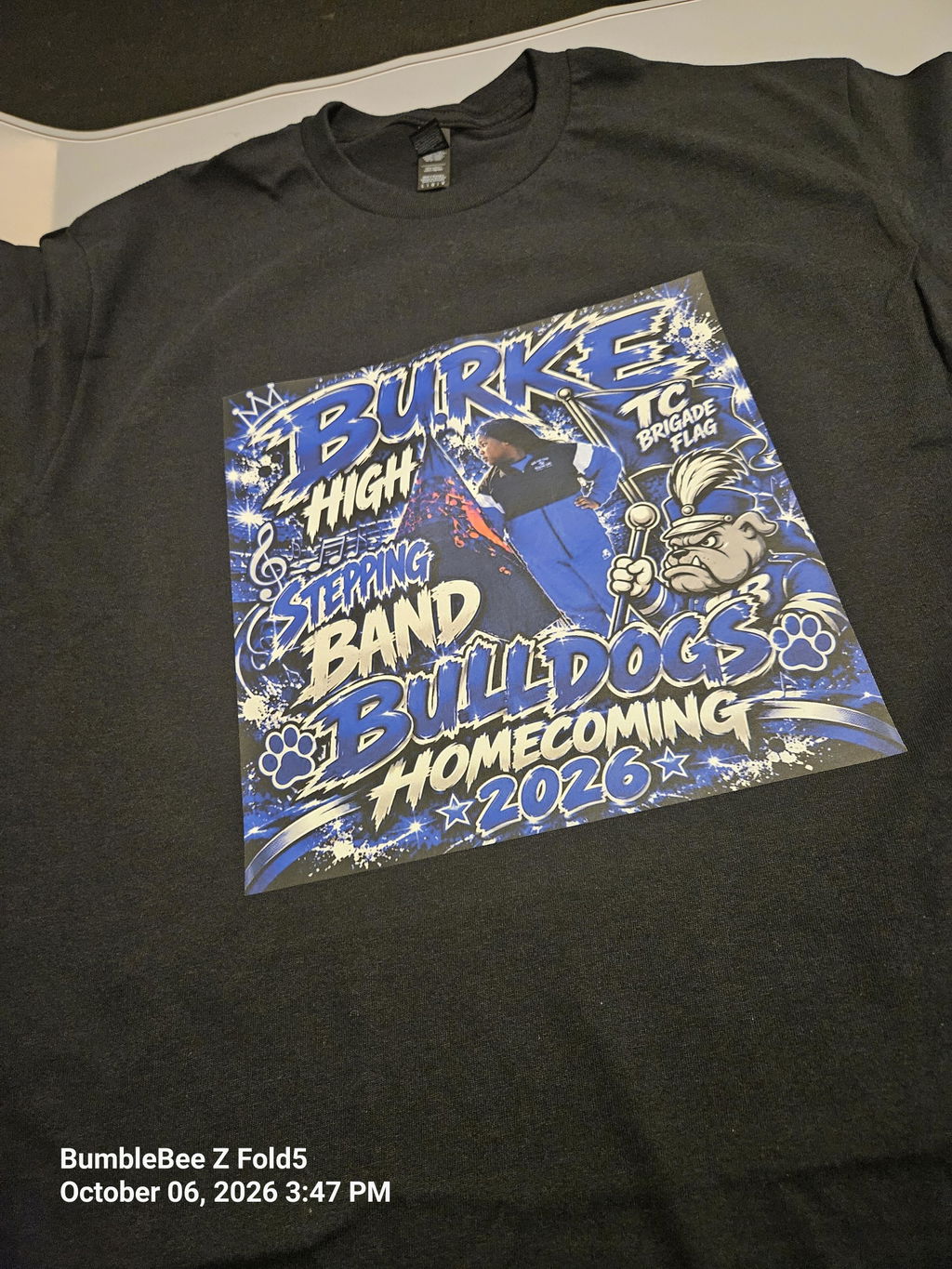
Direct-to-Film graphics offer exceptional mechanical elasticity and structural durability under heavy real-world use. The cured TPU powder creates an incredibly flexible matrix that stretches easily without breaking apart. These transfers regularly withstand over fifty rigorous machine washing cycles without showing visible color fading or edge lifting. This high performance ensures your retail clients receive premium apparel that retains its brand-new look for years.
Advantages of DTF Printing
4. Cost-Effective Production for Small and Large Orders
Screen printing is highly cost-effective for massive wholesale orders but fails financially for short runs. Creating physical screens, mixing custom inks, and cleaning the press requires hours of labor before printing a single shirt. If a client wants only three custom t-shirts, the setup cost makes the job completely unprofitable. This limitation forces many shops to turn away small local businesses and boutique clothing brands.
Direct-to-Film technology processes small orders and large manufacturing runs with identical financial efficiency. Because the workflow is entirely digital, you can print a single custom logo without paying setup fees. You simply load the digital file into your software, arrange the layout, and hit print instantly. This agility allows your business to capture high-margin sample orders and large custom uniform contracts effortlessly.
Advantages of DTF Printing
5. Incredible Color Vibrancy and Fine Detail Resolution
Modern clothing logos frequently feature complex color gradients, photographic details, and thin fine lines. Replicating these intricate elements using traditional vinyl cutting or screen halftone dots is incredibly difficult. Direct-to-Garment systems can struggle to maintain crisp details on textured fabrics because raw fibers can absorb the ink unevenly. Your graphics need a smooth foundation to maintain their sharp photographic clarity.
Direct-to-Film hardware resolves this issue by printing directly onto an ultra-smooth plastic film surface. This stable carrier allows the printhead nozzles to deposit tiny ink droplets with extreme geometric precision. The machine applies a dense white ink layer behind the colors to ensure maximum brightness on dark fabrics. To create unique eye-catching apparel designs, you can check out the Special DTF Transfers collection for glitter, luminous, and metallic finishes.
Advantages of DTF Printing
6. Simplified Inventory Management and Efficient Storage
Traditional printing methods require you to print the entire design directly onto physical garments immediately. This workflow means you must maintain a massive inventory of pre-printed shirts in various sizes and colors. If certain sizes do not sell quickly, your business loses money on dead garment stock. This system traps valuable capital in physical warehouse shelving space.
Direct-to-Film technology allows you to adopt a highly efficient print-on-demand fulfillment strategy. You can print hundreds of diverse graphic layouts onto compact film rolls and store them easily in small boxes. The unapplied transfers remain completely stable for months in a climate-controlled room. When a customer places an order online, you simply pull the required blank shirt from your shelf and press the film down in fifteen seconds.