DTF Printing Quality produces professional-grade, long-lasting prints when done correctly.
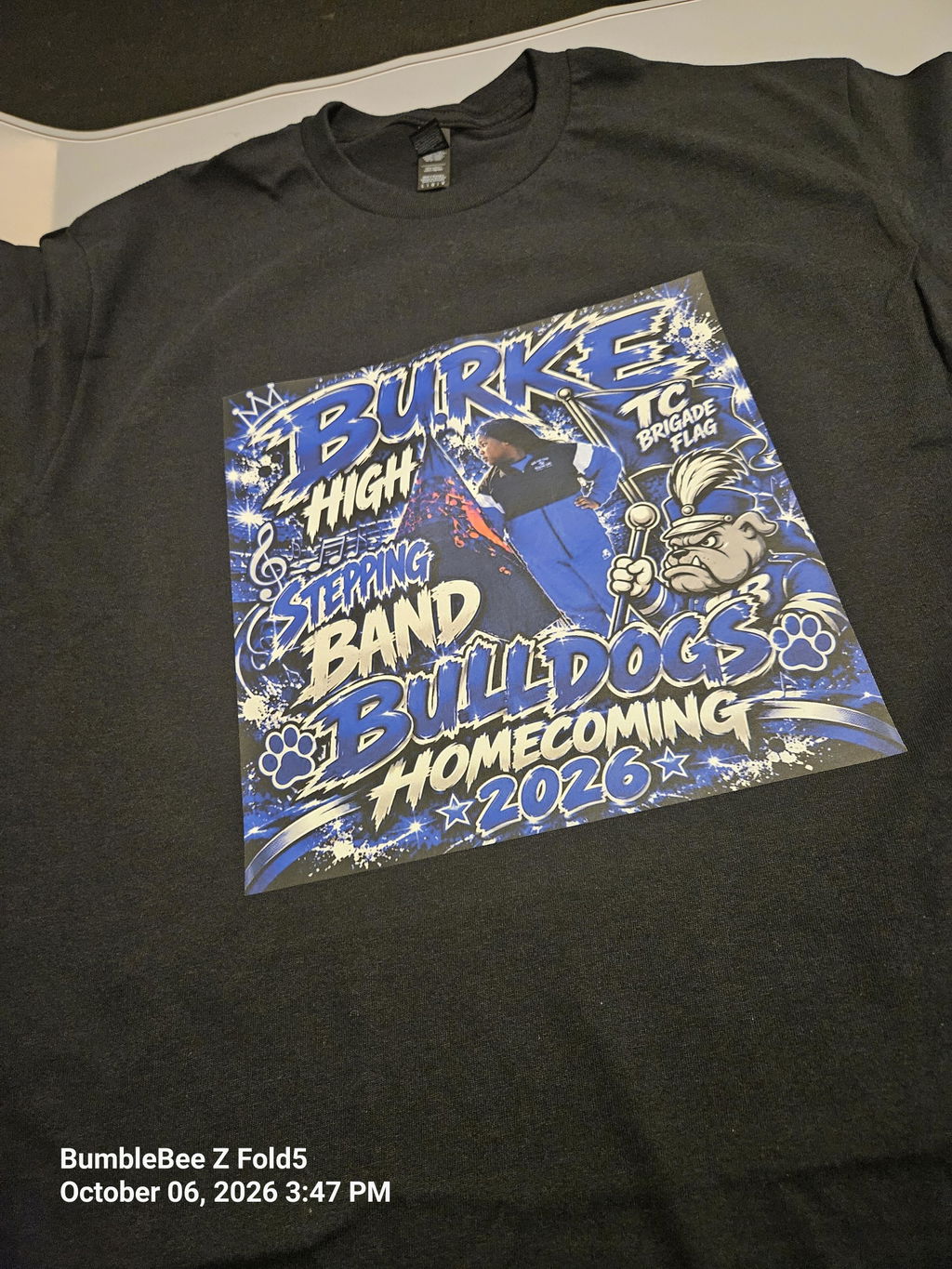
This technology has revolutionized the apparel industry by offering a level of detail and versatility that traditional methods often struggle to match. At DTF Print Depot, quality is the core standard; our transfers offer 50+ wash durability, utilize G7-calibrated printers for perfect color accuracy, and rely on premium inks to ensure every design pops. If you want to experience this standard firsthand, you can see our DTF transfer quality to understand why businesses are making the switch.
DTF Print Depot Quality Guarantee
We stand behind every centimeter of our film. Our quality assurance process ensures that every transfer meets rigorous industrial standards for stretchability, color fidelity, and adhesive strength. When you choose our services, you aren't just getting a print; you are getting a specialized manufacturing guarantee that your designs will remain vibrant and intact long after the first wash.
To achieve these high-end results, several technical elements must work in harmony. Here are the seven critical factors that determine the quality of your DTF prints:
1. The Quality of Consumables
The foundation of a great print lies in the raw materials. High-quality PET films must have a consistent coating to hold the ink without bleeding. Similarly, using premium DTF supplies ensures that the ink and powder bond correctly, preventing premature peeling or fading. Cheap consumables often lead to grainy textures and poor color reproduction.
2. Printer Calibration and Precision
Color accuracy is a major indicator of quality. Using G7-calibrated printers ensures that the colors you see on your screen match the final product on the fabric. Proper calibration manages ink flow and droplet size, which is essential for capturing fine lines and complex gradients.
3. Ink Formulation
Not all inks are created equal. Premium DTF inks are formulated to be flexible and breathable. High-pigment density allows for vibrant colors even on dark garments, while the chemical composition determines how well the print resists cracking after multiple washes.
4. Adhesive Powder Application
The TPU (Thermoplastic Polyurethane) powder acts as the glue between the ink and the fabric. Uniform application and proper "shaking" are vital. If the powder is too thick, the print feels heavy; if it is too thin, the design will not adhere properly to the fibers.
5. Curing Temperatures
The curing process turns the powder into a powerful adhesive. If the temperature is too low, the bond will be weak. If it is too high, the film may warp or the ink may "boil," creating bubbles in the design. Precise heat control is the secret to a smooth, soft-hand finish.
6. Heat Press Settings
Even a perfect transfer can fail during the final application. Pressure, temperature, and time must be adjusted based on the garment material (cotton, polyester, or blends). Consistent pressure across the entire heat plate prevents "cold spots" where the transfer might lift later.
7. Art File Resolution
DTF Printing quality is ultimately limited by the source file. For professional results, images should be at least 300 DPI. High-resolution files allow the printer to utilize its full color gamut and detail capacity, ensuring that the final print looks sharp and clean rather than pixelated.