
What is DTF Transfer? A Guide to Modern Apparel Printing
The custom apparel industry in 2026 relies heavily on modern digital engineering to scale production. Traditional methods like screen printing often require expensive setup fees and messy cleanups. Learning exactly what is dtf transfer helps small workshops bypass these old financial bottlenecks. This innovative methodology allows you to print vibrant, full-color graphics on a single machine easily.
To examine the chemical properties of plastic-based carrier layers, visit the Wikipedia PET Film Page. Modern print shops use these heat-resistant sheets to transport fluid pigments safely. The clear backing holds detailed artwork perfectly stable until heat activation takes place. Transitioning to digital film production saves hours of valuable manual screen preparation time.
1. The Direct-to-Film Technical Process Breakthrough
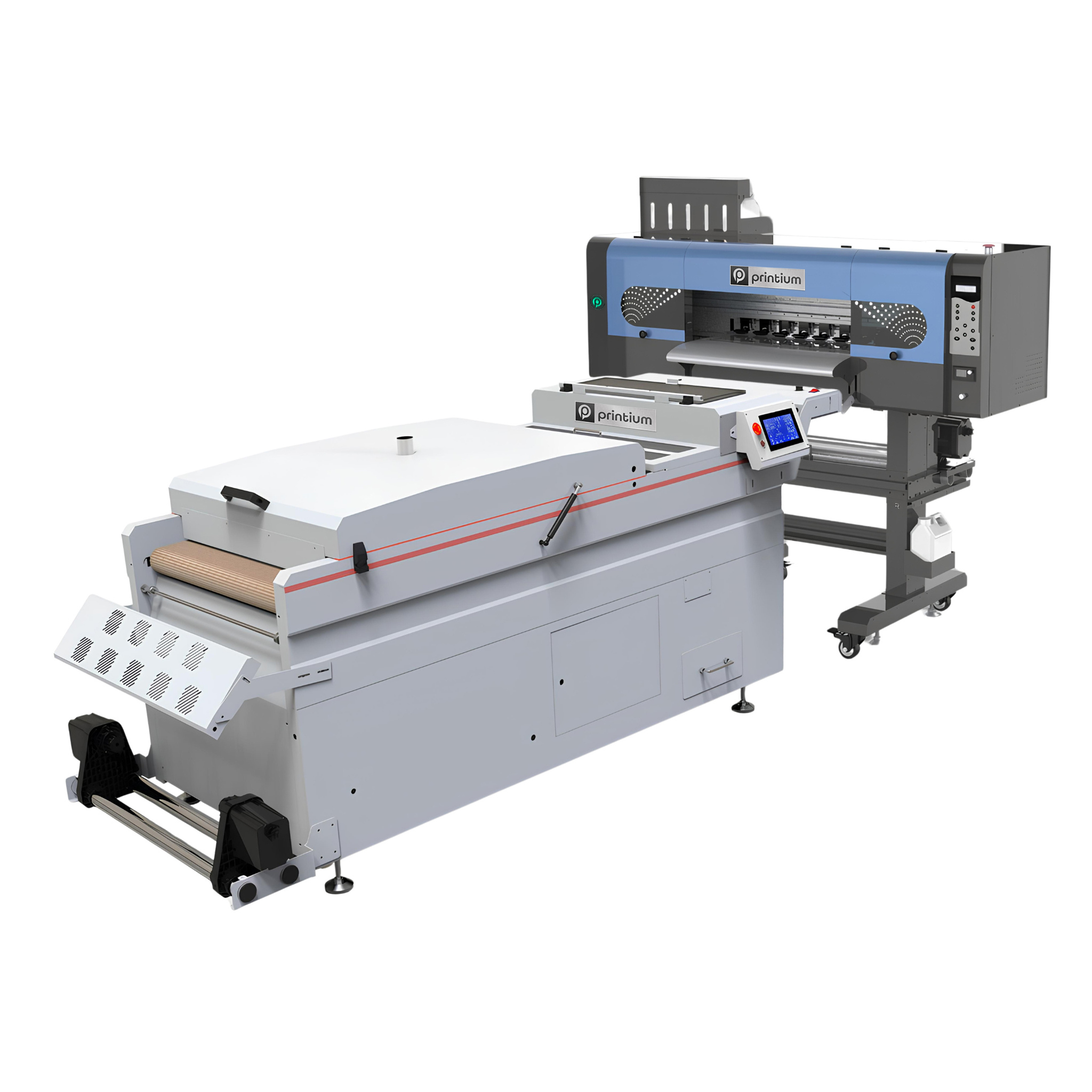
Having the concept of a dtf transfer explained simply involves three core production stages. First, an inkjet machine mirrors your graphic file onto a coated plastic sheet. The hardware sprays colored pigments first, followed immediately by a thick white underbase layer. While the ink is wet, a hot-melt polymer resin powder is spread evenly across the surface.
Next, the powdered sheet passes through a curing oven to melt the adhesive resin safely. This thermal phase turns the loose powder into a smooth, solid glue backing layer. Once cured, the transfer sheet is ready to be stored or pressed onto garments immediately. For busy commercial shops, ordering pre-made, high-definition dtf transfers streamlines your wholesale garment delivery speeds.
Pro-Tip: Secure Commercial Grade Hardware
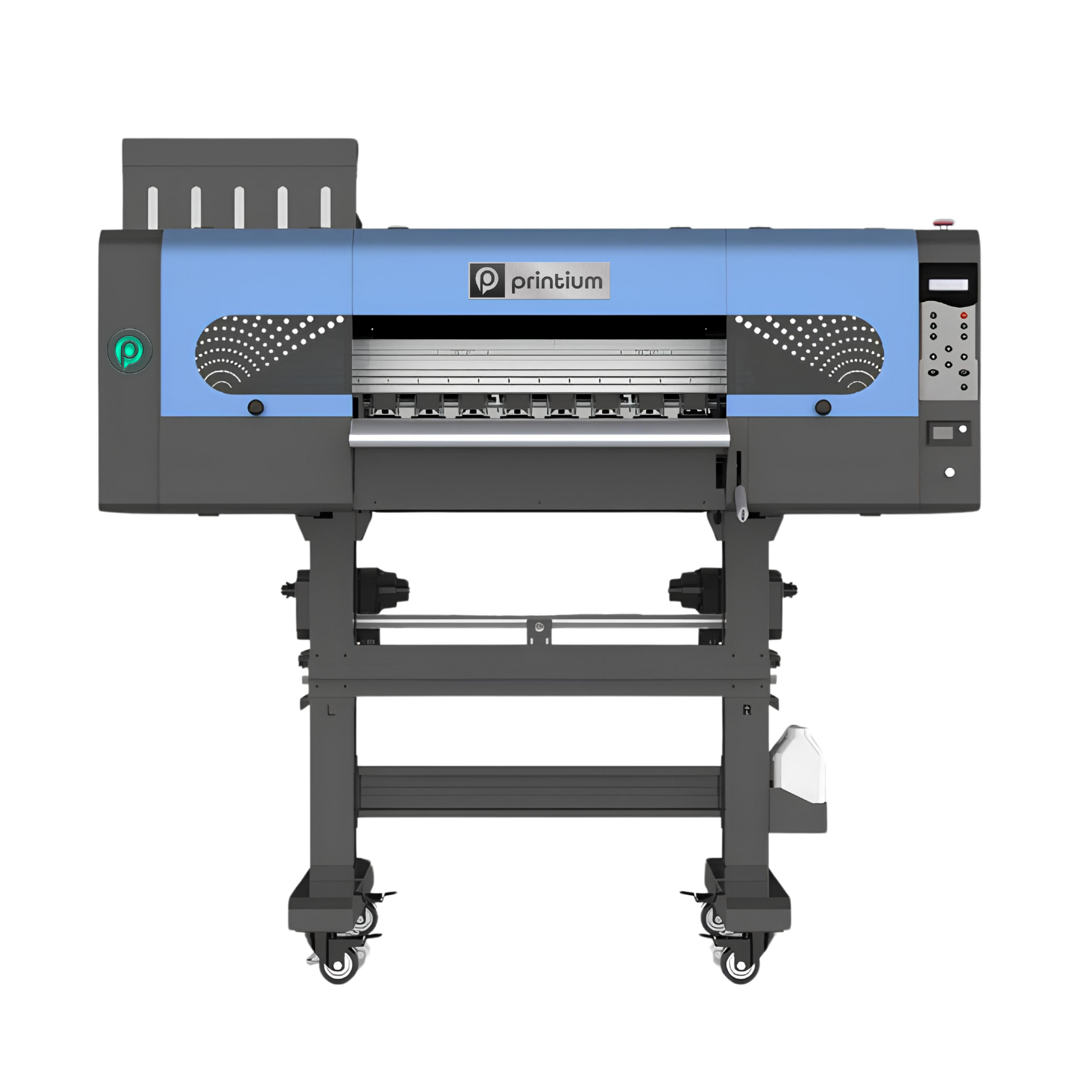
Using uncalibrated heating units leads to brittle adhesive layers and quick wash fading. Pairing quality raw media with premium workspace tools guarantees maximum graphic durability. You can find fully certified, heavy-duty production machinery online right now at DTF Print Depot.
2. Key Material Benefits and Fabric Versatility
Unlike old digital decoration tools, film transfers are not limited strictly to white cotton fabrics. The melted polymer adhesive binds tightly with polyester, heavy nylon, canvas, and genuine leather. This vast material compatibility lets creators expand into bags, sports caps, and performance outerwear. Your finished custom products maintain incredible elastic stretch without cracking under pressure.
Furthermore, digital printing systems capture tiny gradient shading details that traditional screens miss completely. You can output photo-realistic portraits and complex typography artwork with zero color limits. The final decoration feels remarkably lightweight, soft, and flexible on thin t-shirts. Investing in this scalable system helps small home studios compete directly with massive factories.
Frequently Asked Questions (SSS)
What is DTF transfer and how does it work on clothing?
A DTF transfer is a mirrored digital print on a clear plastic sheet backed with heat-activated glue. A heavy heat press transfers the cured ink layers directly into the fabric weave, creating a permanent bond.
Can I use a standard household iron to apply these transfers?
No, household irons cannot distribute the firm, uniform pressure needed to liquefy the resin glue properly. You must use a commercial heat press machine to avoid immediate design peeling after washing.
How many wash cycles can a properly cured transfer design survive?
A properly cured film transfer easily survives 50 to 60 rigorous commercial laundry cycles before showing wear. Always wash custom garments inside out using cold water to preserve the graphic brightness longer.