
DTF Printing Technology in 2026: 3 Innovations
The custom apparel decoration sector is moving forward at an incredible pace. Printshops can no longer rely on slow, legacy machinery to survive in a highly competitive market. Staying updated on the latest shifts in dtf printing technology 2026 allows your business to scale operations efficiently. Three major engineering breakthroughs are completely rewriting the rules of modern textile manufacturing this year.
The Shift Toward Smart Automated Production Lines
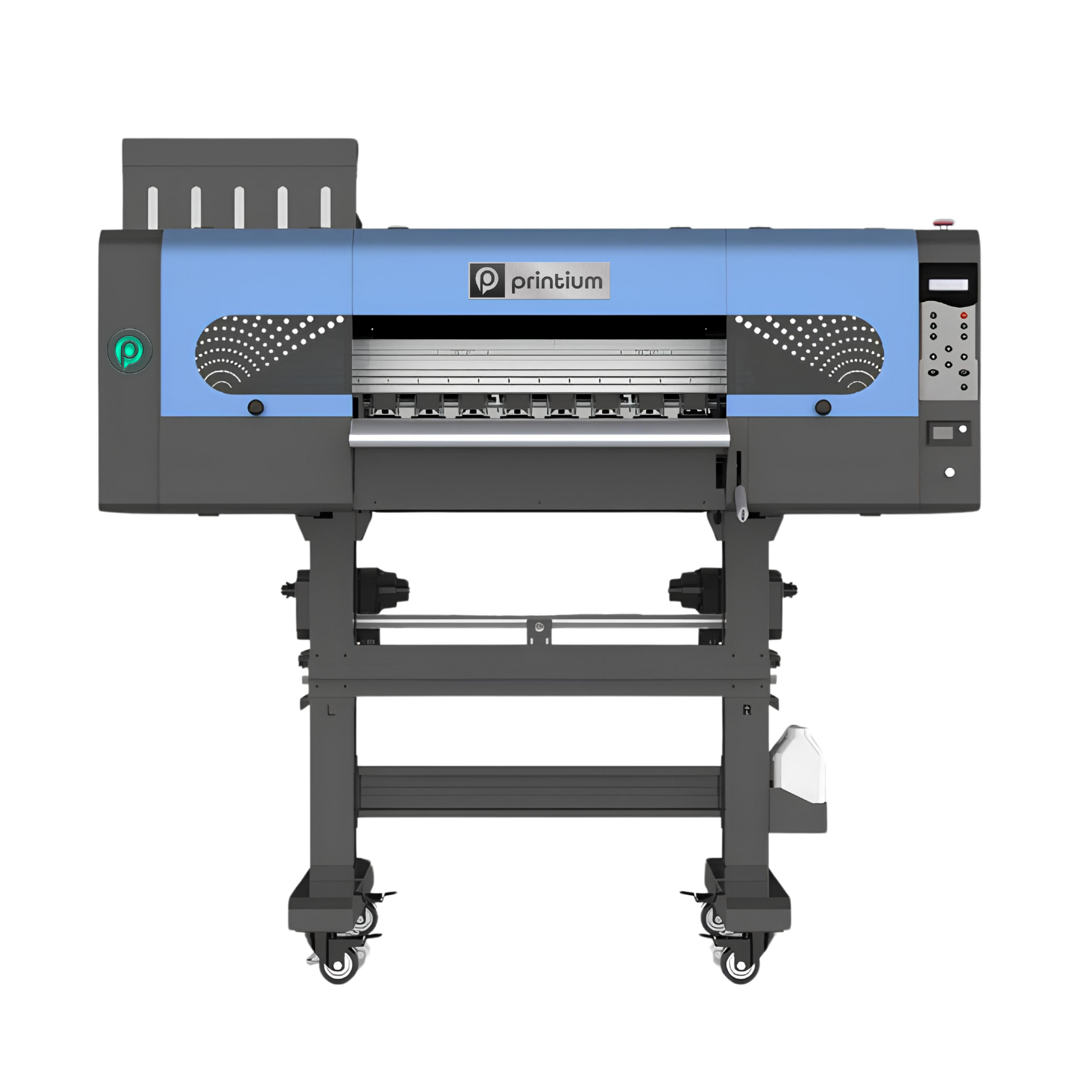
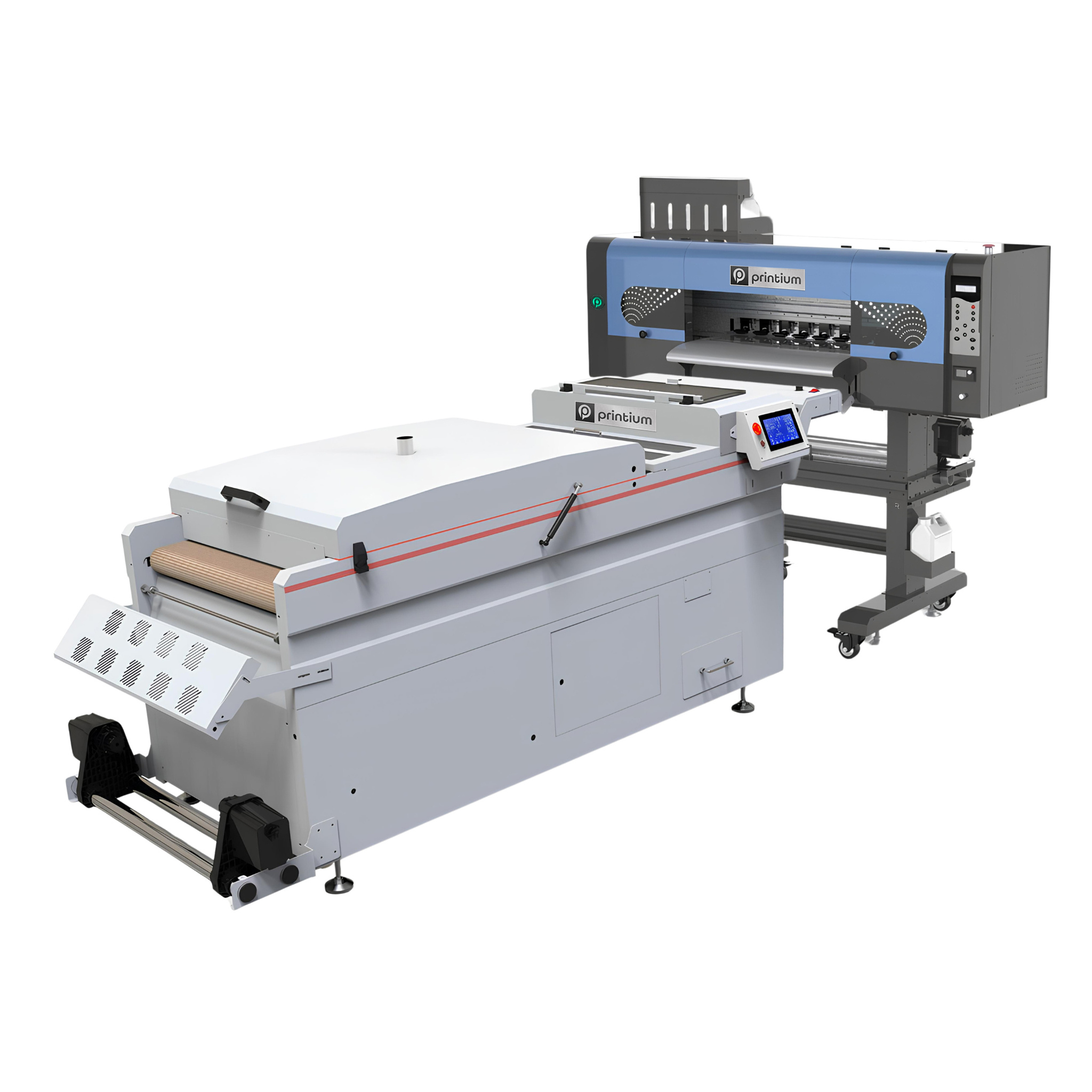
Modern printing platforms focus heavily on reducing manual labor and avoiding material waste. Advanced machinery now integrates complex sensors to monitor ink consistency and film feeding traction in real time. To read more about how automated image deposition changes manufacturing speeds, check the Wikipedia Digital Printing Page. These automated upgrades prevent expensive errors during overnight production cycles. Sourcing commercial-grade machinery from our certified dtf printers collection secures stable manufacturing outcomes for your brand.
Innovation 1: Smart Degassing and Internal Ink Circulation
Older generation hardware required daily manual ink shaking to prevent heavy white titanium dioxide particles from settling. Today, automated internal pressure lines keep the liquid matrix flowing smoothly through the printhead channels constantly. This mechanical defense eliminates nozzle clogs and keeps your background layers solid.
Expanding Beyond Fabric Surfaces with Hybrid Systems
Custom branding studios are no longer restricted to decorating cotton hoodies, polyester performance activewear, or canvas tote bags. Modern hard surface transfer methods allow businesses to personalize rigid items with extreme speed and resolution clarity. This flexibility lets you expand your product catalogs into custom corporate promotional merchandise lines effortlessly.
Furthermore, new hybrid printheads transition between flexible textile inks and rigid ultraviolet adhesive formulas smoothly. Exploring the machinery options listed under our uv dtf printers line allows you to brand metallic tumblers, glass jars, and plastic phone housings using a single workplace setup. Investing in these cross-platform assemblies maximizes your workshop revenue potential.
Upgrade Your Print Equipment Today
Bring the speed of modern automated transfer production into your commercial custom merchandise studio.
Explore 2026 DTF Printers Now →Eco-Friendly Chemical Progress and Energy Efficiency
Environmental rules dictate how custom apparel manufacturing operations handle waste management and power consumption. Modern curing ovens utilize focused radiant heat zones to melt raw polyurethane granules with lower electricity draws. These advanced systems also eliminate heavy fumes from the workspace safely. Combining green chemistry with modern engineering helps your printshop achieve strict sustainability certifications easily.
New adhesive formulas melt at much lower temperatures to protect delicate synthetic sportswear from thermal scorch marks.
Automated powder shakers extract excess dust particles dynamically, ensuring clean borders and reducing material waste.
Step-by-Step Modern Production Calibration Routine
Following a structured validation system keeps your 2026 print equipment operating at peak commercial efficiency:
- Nozzle Check: Run an automated micro-step pattern check to verify every single ink channel functions perfectly.
- Environment Sync: Adjust your workspace atmospheric controls to maintain a steady 50% relative humidity level.
- Linearization Test: Calibrate your software ICC profiles to ensure precise color accuracy across different films.
- Oven Verification: Measure internal heat distribution across the conveyor belt with digital thermal probes.
Frequently Asked Questions (SSS) DTF Printing Technology 2026
Modern systems feature automated timed nozzle wiping and continuous white ink circulation channels. These built-in maintenance protocols protect your equipment from drying out, even when sitting idle over long weekends.
No, advanced hybrid printers require modern RIP platforms built to handle variable white ink densities and specialized varnish channels. Upgraded software ensures your dimensional textures print with perfect alignment.
Lower curing temperatures protect delicate synthetic fabrics from heat press discoloration and structural melting. This safety parameter expands your garment options to include thin nylon windbreakers and recycled polyester jerseys.
Conclusion: Smart Automation Stabilizes Commercial Growth
Embracing modern engineering breakthroughs transforms your workshop from a basic craft setup into a highly predictable industrial business. Minimizing manual labor limits production mistakes and secures higher profits on wholesale contracts. Choosing high-tier machinery ensures your graphic outputs look vibrant for years. Modernizing your gear keeps your business ahead of the curve as the market evolves.